We Don’t Have a Behaviour Problem… We Have a Childhood Problem
If we compressed human evolution into a 12-hour clock, for 11 hours, 59 minutes and 45 seconds… children were learning through play. (Teacher Tom)
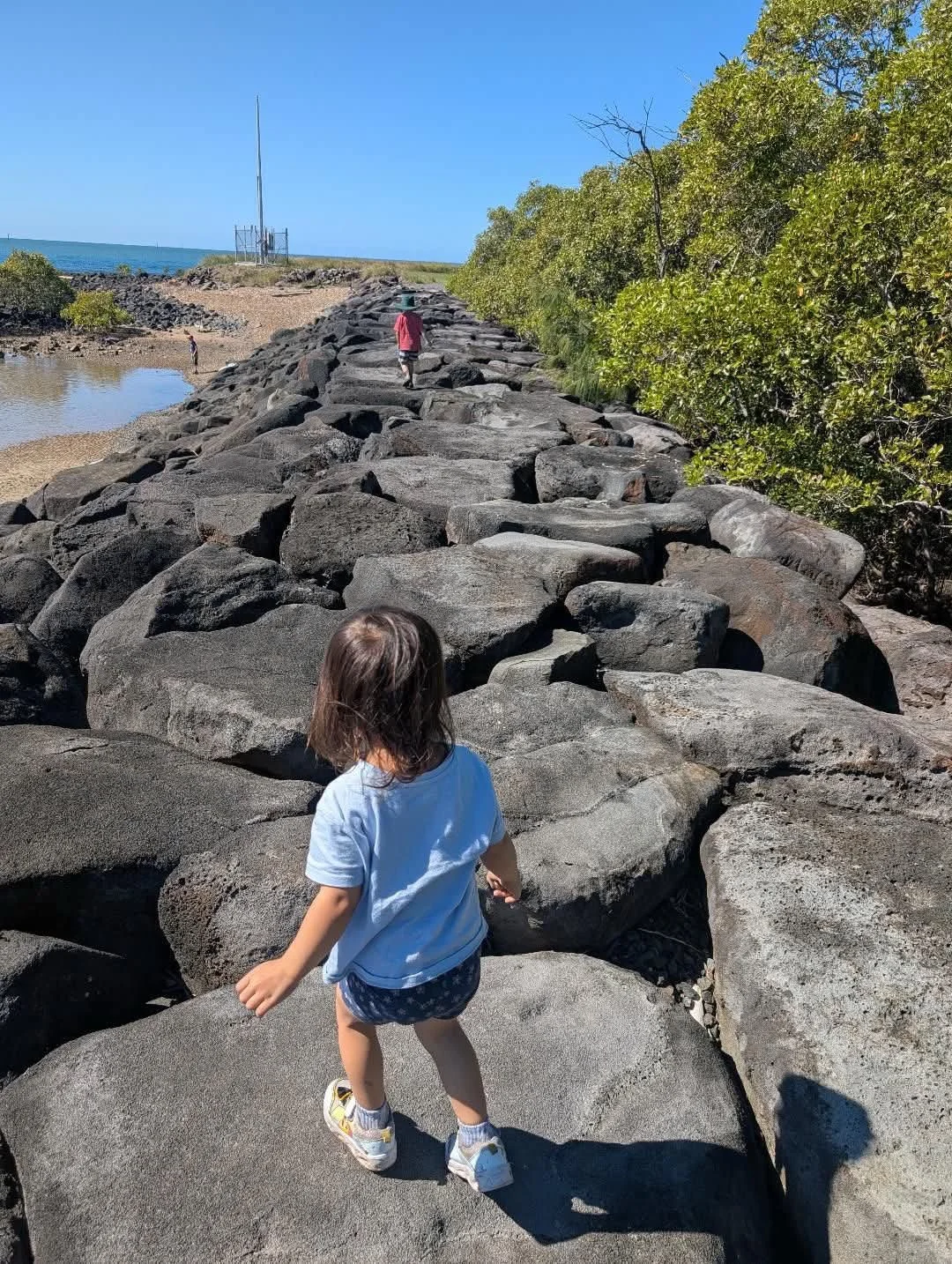
Climbing. Exploring. Roaming. Creating. Risk-taking. Problem-solving.
And then suddenly—right at the very end—we changed everything.
We moved indoors.
We added pressure.
We replaced play with programs.
But here’s the truth we don’t talk about enough:
The brain hasn’t caught up.
Children today are still wired to learn the way they always have—through movement, through curiosity, through freedom, through play.
Yet we’re asking them to sit still.
To perform earlier.
To meet expectations their brains aren’t ready for.
And when they struggle… we label it as a behaviour problem.
But it’s not.
Children Aren’t “Too Much”… The Environment Is
We’re seeing more anxiety.
More disengagement.
More emotional overwhelm.
And we’re asking, “What’s wrong with children?”
Instead, we should be asking:
What have we changed about childhood?
Children today are:
Overstimulated but under-experienced
Overscheduled but under-connected
Protected from risk but overwhelmed by fear
We’ve taken away the very things that build strong, capable humans.
Play Is Not a Luxury. It’s a Biological Need.
Play is not something extra.
It is not a reward after “real learning.”
Play is the learning.
Through play, children:
Build language naturally
Develop coordination and strength
Learn to assess risk
Solve problems
Navigate social relationships
Grow confidence
And most importantly…
They experience joy.
When learning is joyful, it sticks.
When it’s forced, it fades.
If It’s Not Freely Chosen… It’s Not Play
We’ve started to use the word “play” very loosely.
“Play-based learning.”
“Play with a purpose.”
“Structured play.”
But real play?
It’s freely chosen.
It looks different for every child.
It’s messy.
It’s unpredictable.
It doesn’t always look “productive.”
And that’s exactly why it works.
Because the child is in control.
The child is engaged.
The child is learning in the way their brain is designed to learn.
Nature: The Environment Children Were Designed For
Put a child outside and watch what happens.
They don’t need instructions.
They become explorers.
Collectors.
Builders.
Problem-solvers.
Sticks become tools.
Rocks become treasures.
Spaces become worlds.
Nature doesn’t overstimulate—it regulates.
It doesn’t rush—it allows.
And when children are in nature, something powerful happens:
Their whole being is nurtured—body, mind, and spirit.
The Cost of Pushing Too Early
We’ve bought into the idea that earlier is better.
Earlier reading.
Earlier writing.
Earlier academics.
But research—and experience—tells us otherwise.
When we push children before they’re ready:
They disengage from learning
They lose confidence
They become anxious
They stop enjoying the process
And over time, this doesn’t create better learners…
It creates children who feel like they’re failing before they’ve even begun.
We Need to Stop Preparing Children for the Next Step
We are constantly thinking ahead.
“Are they ready for school?”
“Are they keeping up?”
“What’s next?”
But in doing that…
We’re missing what they need right now.
Children don’t need to be rushed into the future.
They need time to:
Be where they are
Move their bodies
Explore their world
Take risks
Follow their curiosity
Because that’s how real development happens.
Play Builds the Human
Play is not just about fun.
It’s how children:
Build resilience
Learn to cope with fear
Develop independence
Trust themselves
When we remove play, we don’t just remove joy…
We remove the very foundation of healthy development.
So What Do Children Really Need?
It’s actually very simple.
Children need:
Time
Space
Freedom
Movement
Nature
Trust
They need adults who:
Step back
Observe
Allow
Believe in their capability
The Future of Childhood Depends on What We Do Now
We can keep going the way we are…
More pressure.
More structure.
More early expectations.
Or we can choose something different.
We can choose to:
Protect play
Value childhood
Trust development
Bring back joy
Because if we don’t…
We’re not just changing childhood.
We’re changing the humans our children become.
Let them play.
Everything else will follow.