The Child Was Never “Too Much” — The Environment Was
I remember the child everyone warned me about before I even met them.
“Just so you know… they’re a lot.”
Too loud. Too physical. Too impulsive. Too everything.
By the time I actually met them, a story had already been built around who they were.
And for a while, it looked true.
They couldn’t sit still. They bounced from one thing to another. Every moment seemed to need adult intervention. Reminders. Corrections. Redirection.
It would’ve been easy to agree with everyone else.
But then something small happened.
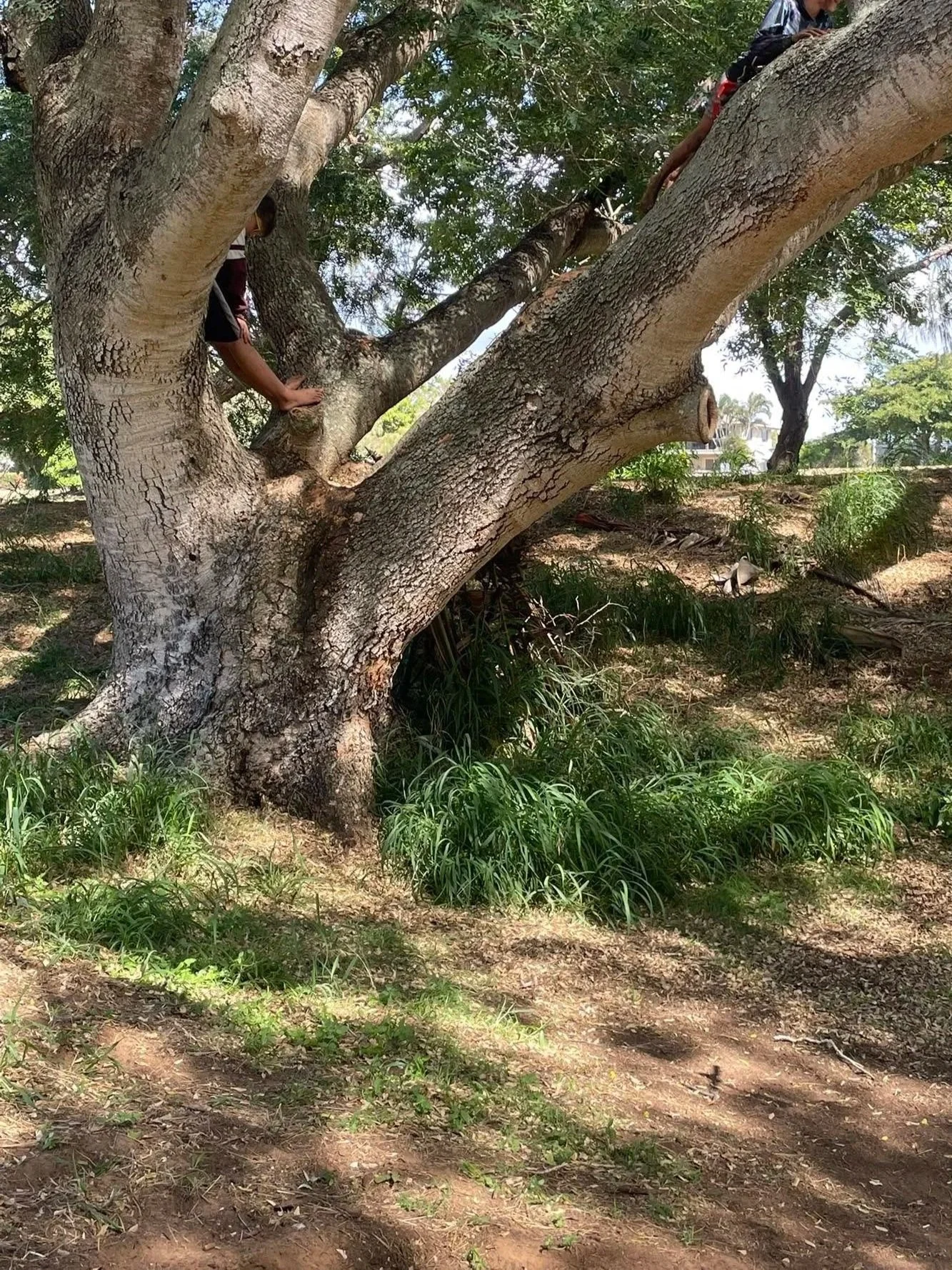
We went outside.
No structured activity. No carefully planned setup. No expectation to sit, wait, or take turns in the “right” way.
And I watched that same child—the one who was “too much”—spend nearly 40 minutes on a muddy slope.
Climbing. Sliding. Adjusting. Falling. Trying again.
No one told them to be careful.
No one stepped in to “manage” anything.
And slowly, something shifted.
Their movements became more controlled. Their focus deepened. Their body started doing what everyone had been trying to teach it to do indoors.
Except no one was teaching it.
That’s when the doubt crept in.
Not about the child.
About everything else.
After that, I started noticing things I couldn’t unsee.
The children who struggled the most indoors… were often the most regulated outside.
The more adults tried to control play, the more chaotic it became.
The more beautiful and “perfect” the setup looked… the less the children actually engaged with it.
And the children labelled “difficult”?
They weren’t unpredictable at all.
They were consistent.
Consistently being placed in environments that didn’t match how they develop.
There was one moment that really stayed with me.
An educator, clearly exhausted, said, “I’ve tried everything with him.”
And I believed her.
Because I could see it—the charts, the strategies, the constant redirection.
Everything you’re told to do when a child isn’t “meeting expectations.”
But I kept thinking…
What if the problem isn’t that we haven’t tried enough?
What if it’s that we haven’t questioned the right thing?
For a long time, I thought the answer was more.
More tools.
More training.
More strategies.
That’s what the industry tells us, after all.
If something isn’t working, you just haven’t found the right approach yet.
But the biggest shifts I’ve ever seen didn’t come from adding something new.
They came from removing something.
Control.
Interruption.
The constant need to step in.
I think about all the times we say “be careful” without even realising it.
How automatic it is.
How it feels like we’re helping.
But I’ve watched what happens when you don’t say it.
At first, it feels uncomfortable. Like you’re missing your moment to prevent something.
And then you notice…
Children slow down on their own.
They test. They adjust. They figure it out.
Not perfectly. Not instantly. But genuinely.
The kind of learning you can’t rush or instruct.
The kind that actually stays.
Some of the most “capable” children I’ve worked with weren’t the ones who followed directions the best.
They were the ones who had the most practice making decisions in real situations.
The ones who had climbed, fallen, misjudged, and tried again.
The ones who didn’t rely on an adult to tell them what was safe… because they knew how to feel it.
What’s hard to admit is this:
A lot of what we call “good behaviour” is just well-managed compliance.
It looks calm. It looks controlled.
But underneath that?
There’s often very little autonomy. Very little self-trust. Very little real regulation.
And I started to notice something that didn’t sit right with me…
The more “well-managed” a room looked, the less real learning I could see happening.
At some point, the question changed for me.
It stopped being:
“How do we manage this child?”
And became:
“What is this environment asking of them… that doesn’t make sense?”
Because when that changed—when the environment changed—
The child didn’t need fixing anymore.
I’ve worked with families who were genuinely worried something was wrong.
They’d been told to monitor, to assess, to intervene.
And then they saw their child in a different environment.
One with space. Movement. Less interruption. More trust.
And the shift wasn’t subtle.
It was immediate.
Not because the child had suddenly learned a new skill.
But because, for the first time, things made sense to their body.
I don’t believe children are becoming more “difficult.”
I think we’ve just built environments that require them to suppress too much of what they naturally are.
We ask them to sit when their body needs to move.
To be careful before they’ve had a chance to understand what that even means.
To regulate… in spaces that constantly dysregulate them.
And then we wonder why it’s not working.
If there’s one thing this work has taught me, it’s this:
The child is almost never the problem.
But it’s much easier to believe they are.
Because if the child is the problem, we can try to fix them.
If the environment is the problem…
We have to rethink everything.
And that’s the part most people avoid.
Because it’s not about doing more.
It’s about doing less.
Less controlling.
Less interrupting.
Less overriding what we can already see is true.
And more trusting.
Not blindly.
But based on what we’ve witnessed, again and again:
That when children are given environments that actually meet their needs…
Most of what we call “behaviour issues” quietly disappear.
Not because we solved them.
But because they were never problems to begin with.
If this is making you rethink what you’re seeing in your own child or classroom… that’s the work.
Not more strategies. Not more control.
Just a willingness to look again—and trust what’s actually in front of you.
If you want to see what this looks like in real life, not just read about it—
Come and experience it with us at Wild Gully.
We open up spaces where children don’t have to be managed to make sense.
Where movement isn’t restricted.
Where risk isn’t removed.
Where behaviour doesn’t need fixing—because the environment finally fits.
Or, if you’re an educator or service ready to shift how this looks in your setting, you can book a training or incursion with me.
This isn’t about adding more.
It’s about seeing differently.
Follow along if you’re starting to question what you’ve been told about children—because once you see it, you can’t unsee it. This is why Wild Gully was born.